CIBJO examines how AI, blockchain, connected devices and data analysis are changing production and retail. The report also considers data governance, privacy and the need to preserve craftsmanship as digital tools spread.
JBT tracks business listings, closures, new entrants and credit conditions across the US and Canada. Its public summary distinguishes business closures from other removals from the directory; the complete statistics are available to members.
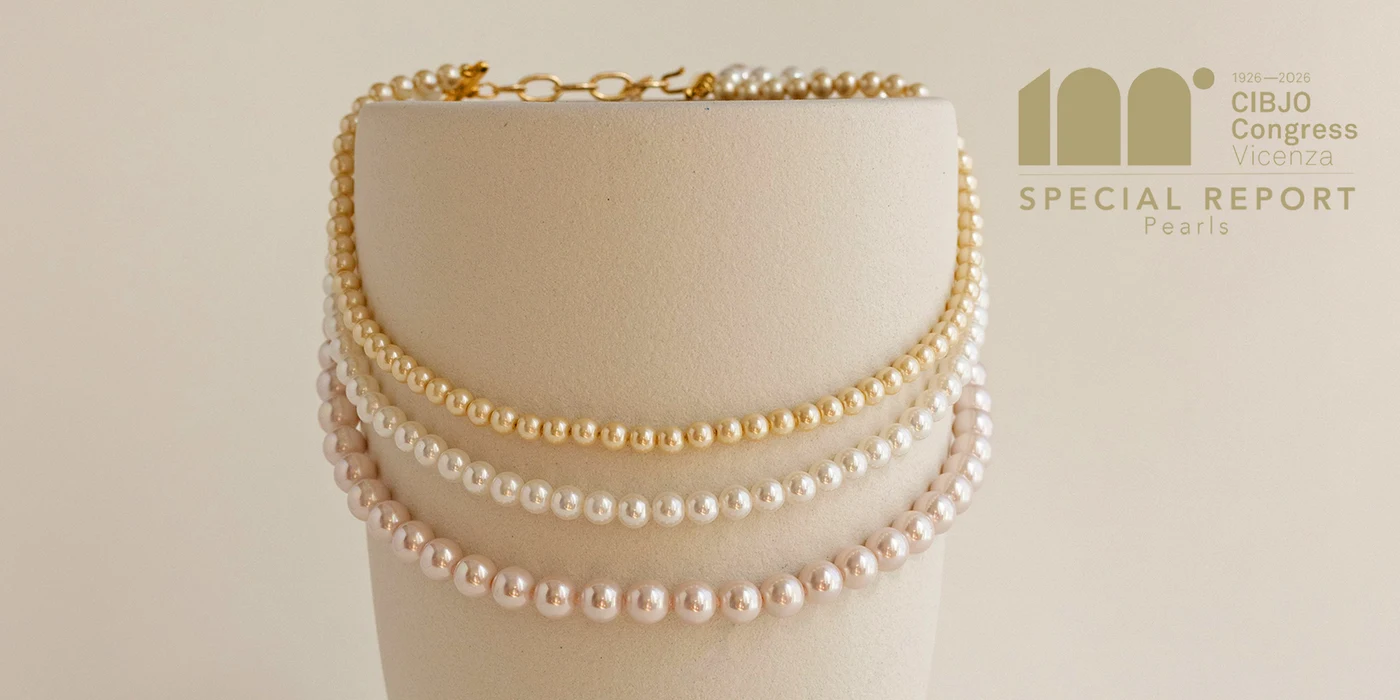
The annual pearl report brings together market and scientific perspectives, including Australian South Sea pearls, Akoya oyster genetic diversity and research from DANAT and GIA. It also reviews terminology and environmental questions around pearl farming.
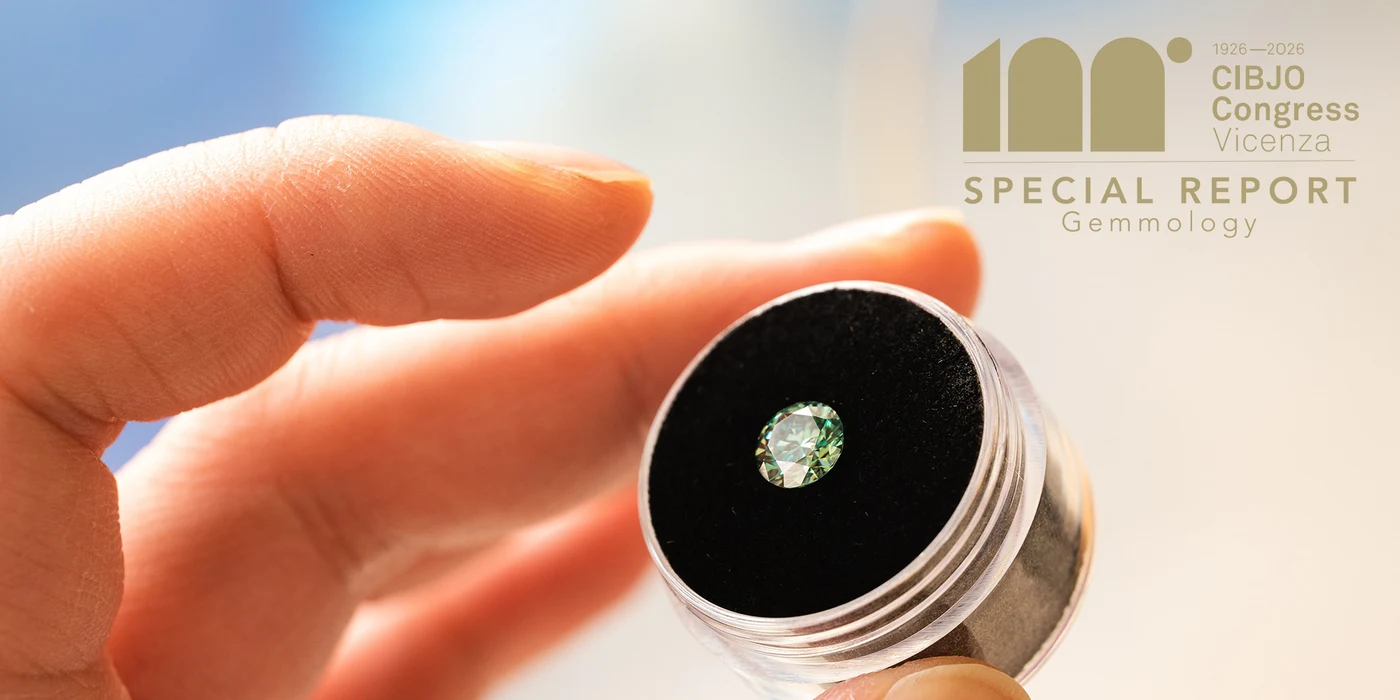
CIBJO reviews laboratory practices, technical requirements and testing protocols. The focus is comparability and trust in gem reports, including terminology harmonisation; this is an industry report, rather than a new universal certification scheme.
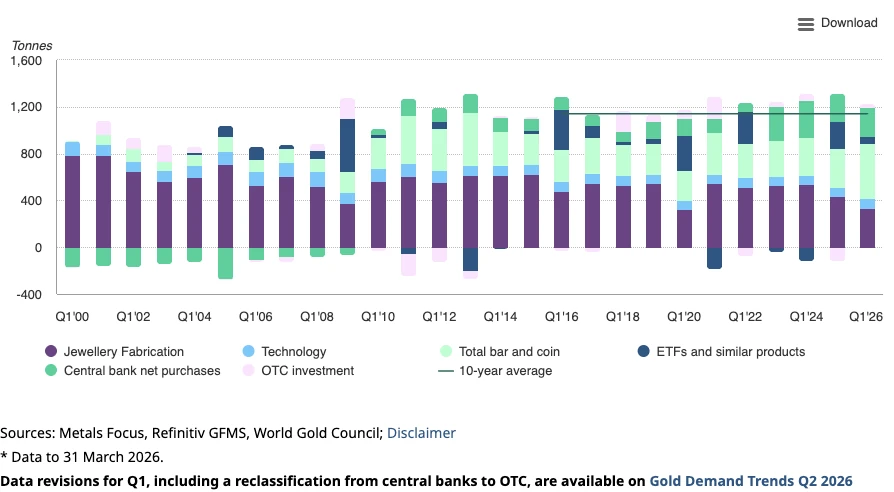
The jewellery chapter separates demand by weight from consumer spending and compares major markets. It examines how high gold prices affect budgets, lighter products and purchasing behaviour, with regional tables and downloadable research.
Jewel360 combines transaction data with a survey of independent jewellers. Its release highlights social media influence, face-to-face sales and demand for gold and custom pieces. Findings describe the participating businesses, not all jewellery buyers.
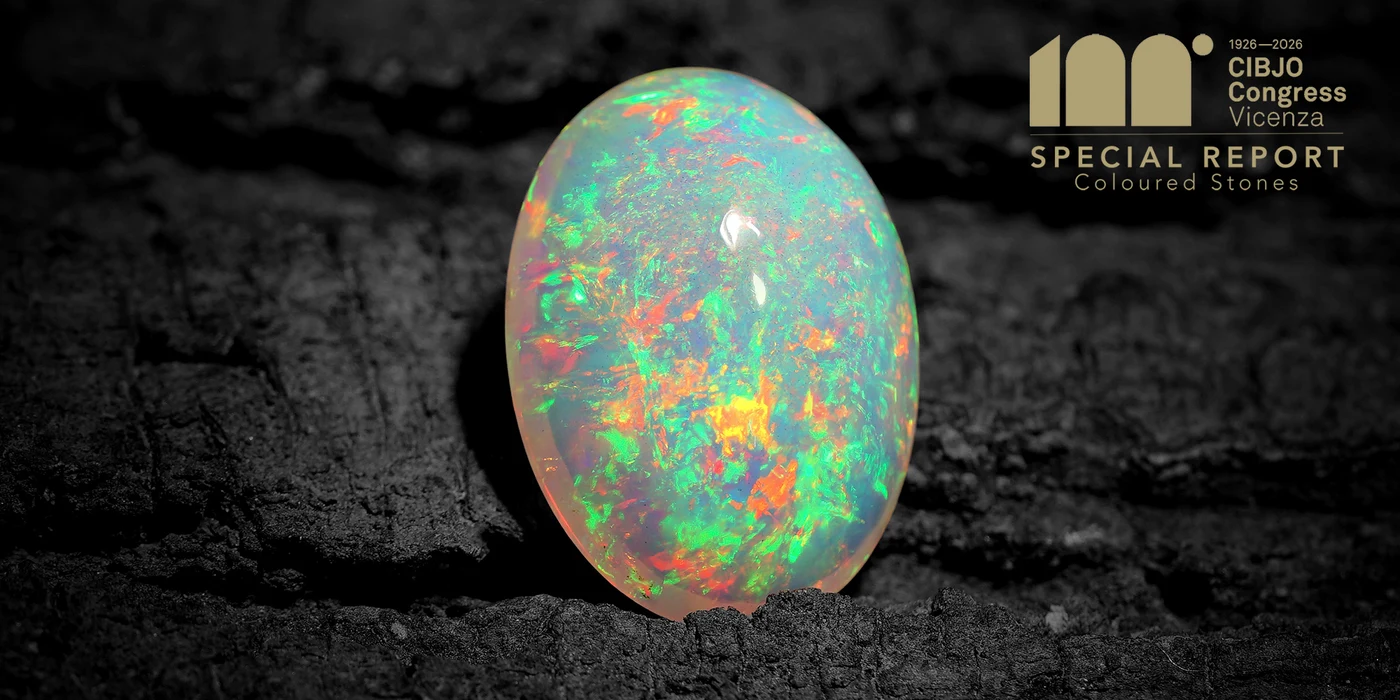
The Coloured Stone Commission discusses how synthetic materials and colour descriptions should be communicated. Its report considers the limits of trade terminology and introduces work on opal and jade references for clearer international communication.
CIBJO compares gold, platinum and silver jewellery markets as metal prices rise. It discusses differences between sales value and manufacturing volume, substitution between metals and the growing importance of provenance in supply chains.
The report previews jade and opal references developed by expert groups. Its jade section links Chinese trade names with Western terminology. A new jewellery academy pairs laboratory teaching with workshops and placements alongside master artisans.
A survey of more than 2,000 luxury clients explores desirability, exclusivity, discovery and meaningful experiences. This broader luxury study offers context for jewellery retailers considering personal service, client relationships and digital discovery.
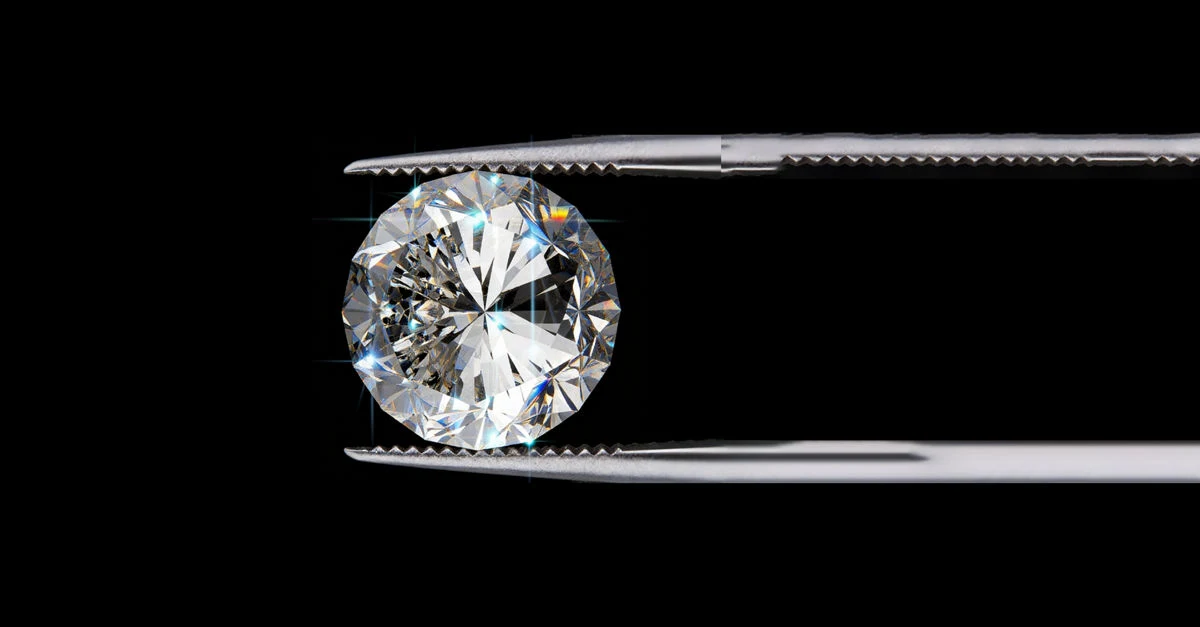
GIA researchers review cut-quality assessment through light return, contrast and human perception. The article explores three-dimensional modelling and movement, explaining why proportions alone cannot describe every aspect of a diamond’s visual appeal.
Legor announces a partnership with Tritone to bring MoldJet technology into its 3D Metal Hub. The manufacturer describes work on gold and platinum materials and complex components, aimed at supporting new design and production workflows.
De Beers presents findings from a study of 18,500 US women aged 18–74. Its research examines generational differences, natural-diamond purchases and the large role of non-bridal occasions, alongside separate independent-retailer sales data.
Legor’s JCK technology preview covers 950 platinum grain alloys, nickel- and copper-free Modern Electrum, and rhodium- or ruthenium-based black finishes. It also introduces custom plating development and metal additive-manufacturing services.
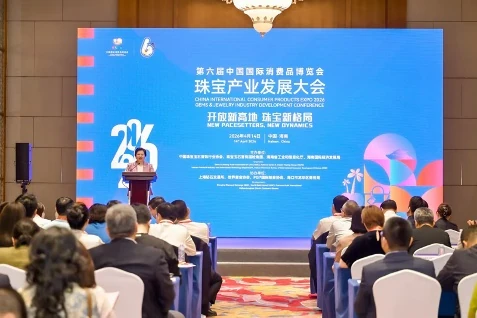
GAC’s April briefing presents findings from its 2025 industry report, including retail recovery, channel adjustment and differences between product categories. It also reviews e-commerce, cross-border trade, research activity and high-jewellery demand.
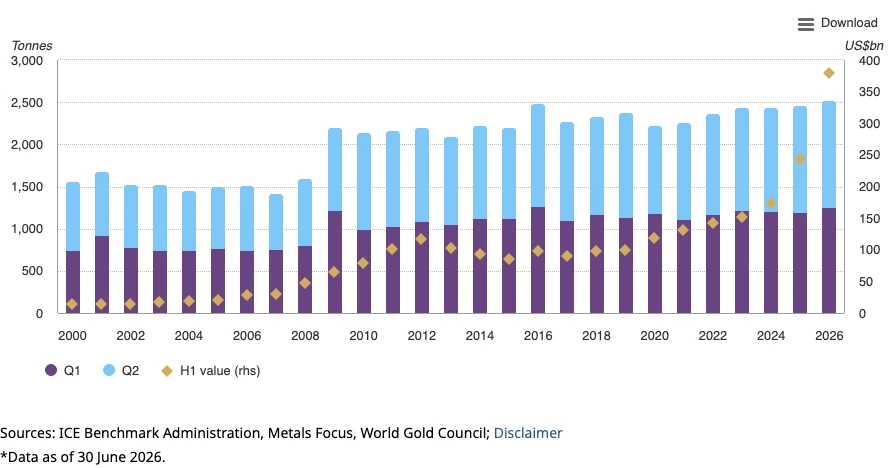
Global jewellery demand fell by weight while spending increased in Q1. The report compares China, India and other markets, including the relative resilience of lighter hard-pure-gold products and the role of high-end heritage craftsmanship.
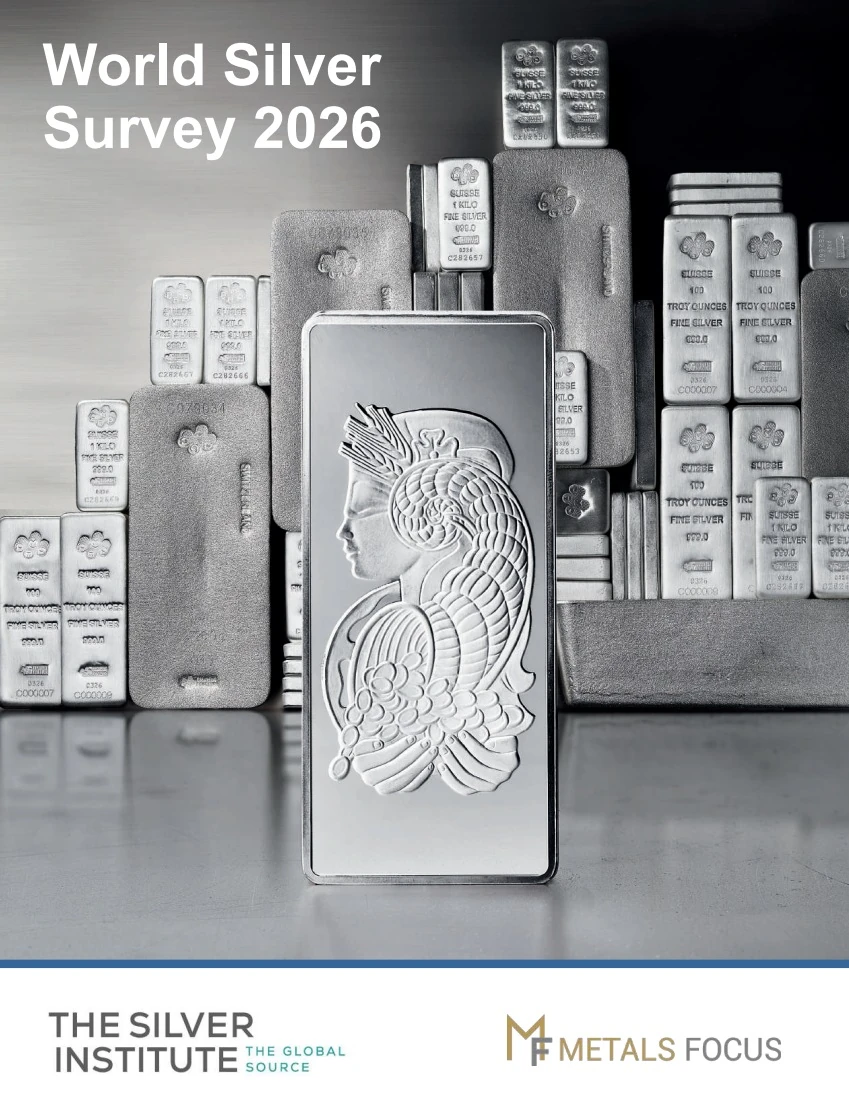
The survey reviews regional silver-jewellery fabrication and the impact of higher prices. Global fabrication declined in 2025, while China grew, supported by substitution for gold and product innovation. Forecasts are presented separately from historical results.
Francéclat’s annual figures compare French jewellery production, trade and retail channels. The report distinguishes gold and platinum jewellery from silver, plated and costume categories, and discusses metal-price effects alongside workshop investment.
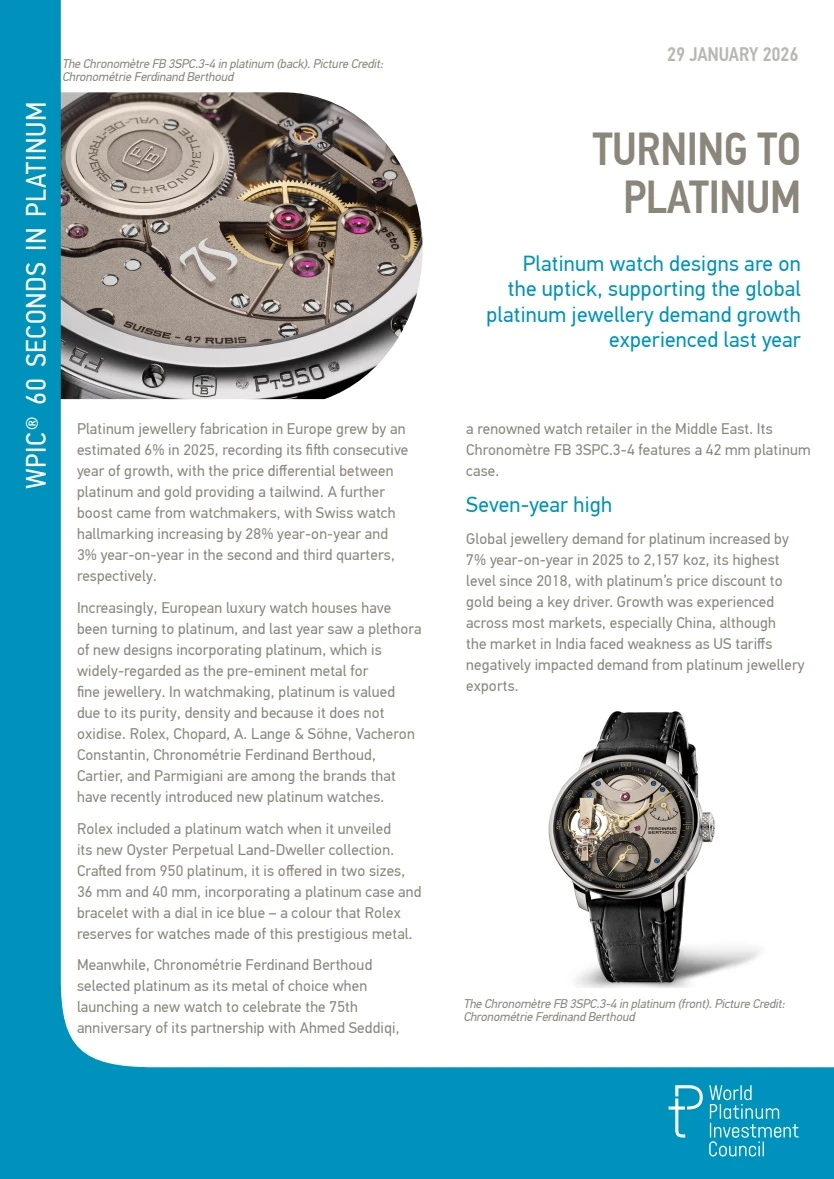
WPIC discusses how relative metal prices and product choices are influencing platinum jewellery demand. Its market note combines recent industry observations with forecasts, offering a compact introduction to platinum’s changing position.
Deloitte examines operating efficiency in India’s gems and jewellery industry. The playbook covers merchandising, new products, sourcing, store operations, finance and marketing, connecting customer segmentation and assortment decisions with inventory performance.
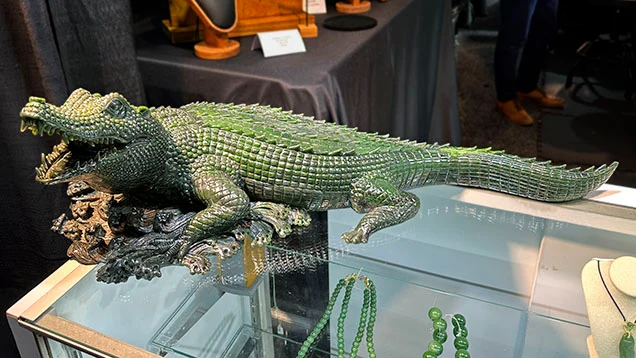
GIA’s Spring 2026 field report records observations from Tucson’s gem shows. It covers unusual materials, carved nephrite and synthetic gems, alongside exhibitor comments on prices and demand. These are show observations rather than a representative market survey.
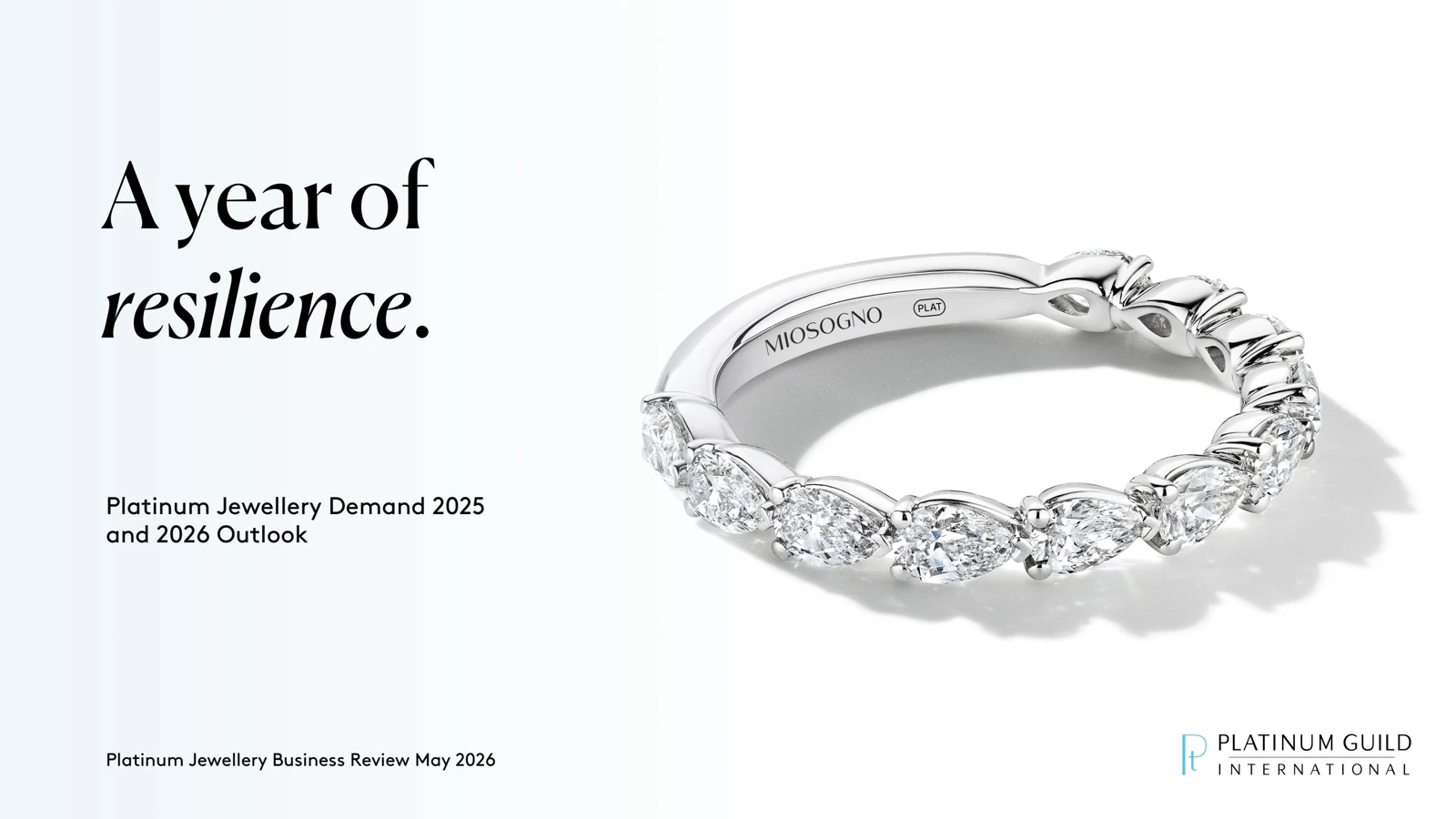
PGI’s annual review studies retail sales, trade performance and consumer sentiment in China, India, Japan and the US, using surveys of retailers and manufacturers. The publication library also lists quarterly updates, some requiring an account.
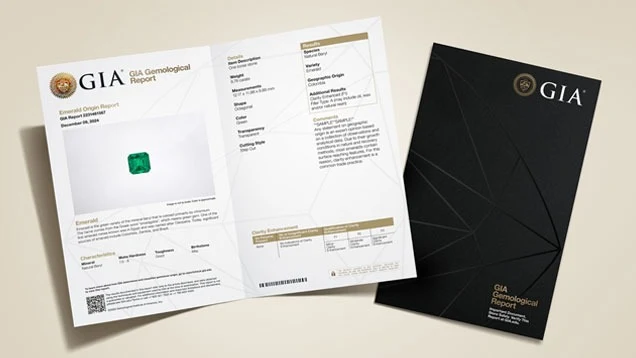
GIA announces redesigned reports and origin services for opal, peridot and demantoid garnet from January 2026. The release also describes recently added origin determination for untreated jadeite and omphacite jade from Myanmar or Guatemala.
The jewellery chapter explores self-purchase, changing consumer priorities and growth opportunities relative to other fashion categories. The wider report combines consumer and executive research with forecasts; projected growth should be read as an outlook, not a measured result.

 Image · CIBJOCraft & Technology